Fargo Casino Tribal Class II Gaming Architecture
Fargo's tribal gaming operations run on Class II bingo-based engines, not Vegas-style slot machines, and that distinction is the single most important technical fact for anyone auditing these floors. The hardware looks identical to a Class III cabinet, but the internal logic is a networked bingo server that determines outcomes across linked player terminals. Understanding this architecture is non-negotiable for operators, regulators, and players who think they are walking into a standard casino.
The Class II engine works through a central server that draws bingo cards electronically. Each terminal displays a bingo card, and the outcome of every spin is tied to the bingo pattern result, not an independent random number generator embedded in the cabinet. This is a fundamental departure from Class III slot mechanics. The visual reels are cosmetic overlays. The real game happens on the server side, and that server must be certified under tribal gaming ordinances rather than state commercial casino regulations.
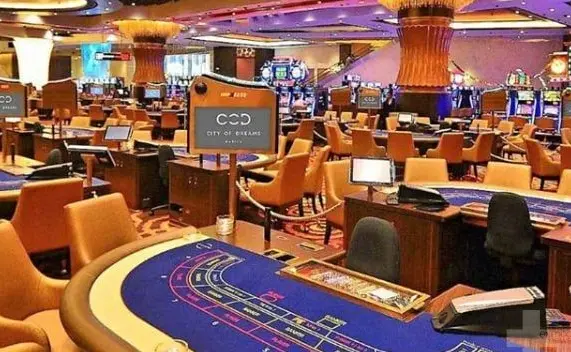
North Dakota Charitable Gaming Compliance Layer
North Dakota charitable gaming rules add another compliance stratum that many operators underestimate. Charitable gaming in the state is governed by a separate framework that covers pull tabs, raffles, and certain electronic devices. When a tribal facility operates near or alongside charitable gaming operations, the Fargo Casino Tribal Class II audit trail must clearly separate tribal sovereign gaming from state-licensed charitable activity. Mixing the two creates regulatory exposure that can void machine certifications and trigger licensing reviews.
The charitable gaming component in North Dakota requires strict accounting for net proceeds and authorized use of funds. Electronic pull tab devices are the most common charitable gaming machine in the state, and they operate under different certification standards than tribal Class II terminals. The technical audit must verify that no shared server infrastructure bridges the two gaming categories. Separate networks, separate accounting systems, and separate certification files are the only defensible configuration.
Server-Based Outcome Verification and RNG Certification
The Class II bingo server must pass independent RNG certification before any terminal goes live. This is where sloppy operators get caught. The certification process tests the bingo card generation algorithm, the pattern-matching logic, and the outcome distribution across millions of simulated draws. A server that fails distribution testing cannot legally operate, regardless of what the cabinet displays. The certification file must be current and on-site at all times.
North Dakota charitable gaming devices face a parallel but distinct certification path. The North Dakota Charitable gaming framework requires device testing through approved laboratories and ongoing compliance reporting. If a facility operates both tribal Class II and charitable electronic devices, the technical documentation must be physically and logically separated. Auditors will check for server address overlaps, shared network switches, and common accounting databases. Any crossover is a red flag that can shut down operations.

Hardware Isolation and Network Segmentation
Network segmentation is the backbone of compliant dual-category gaming operations. The Class II bingo server should sit on an isolated VLAN with no routing path to charitable gaming devices. Firewall rules must explicitly deny traffic between the two segments. This is not a suggestion; it is a hard technical requirement that auditors verify through configuration dumps and packet capture analysis. Operators who run flat networks are asking for a license suspension.
The terminal hardware itself should be tagged and inventoried by gaming category. Class II terminals carry tribal certification labels, and charitable devices carry state charitable gaming labels. Physical inspection during audits confirms that terminals are deployed in their authorized zones. A Class II terminal appearing in a charitable gaming area, or vice versa, is a compliance failure that cannot be explained away. 🔍 The audit trail starts at the physical layer and extends through every server log entry.
Audit Trail Integrity and Log Retention
Every Class II bingo draw must generate an immutable log entry with timestamp, card pattern, outcome, and terminal identifier. These logs must be retained for the period specified by tribal gaming ordinance, typically no less than five years. Charitable gaming device logs carry their own retention requirements under North Dakota rules. The two log streams must never merge into a single database. Separate storage volumes with separate access controls are the only acceptable architecture.
Log tampering is the fastest way to lose a gaming license. Hash verification and write-once storage prevent after-the-fact modification. Auditors will pull random log samples and cross-reference them against server draw records and terminal display histories. Any discrepancy in the Fargo Casino Tribal Class II log chain triggers a full forensic review. The technical standard is simple: if the log cannot prove the outcome, the outcome did not legally happen. 💡 Operators who treat logging as an afterthought are one audit away from closure.